5 Misconfigurations Hackers Hope Retailers Never Fix
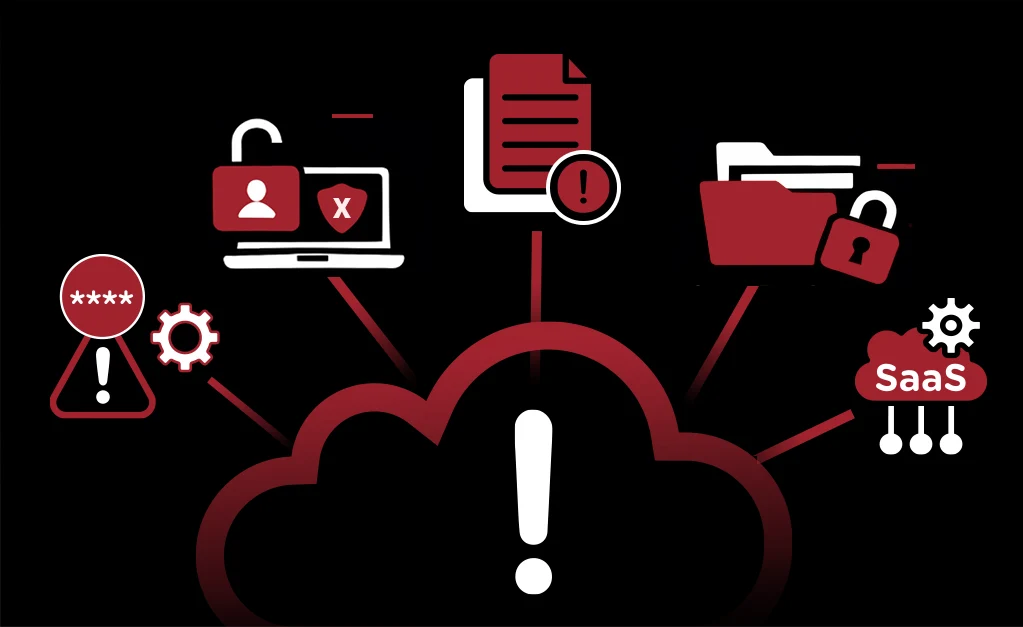
If hackers had a holiday wish list, these five misconfigurations would be right at the top.
And as the recent Petco exposure shows, breaches in retail do not always start with sophisticated intrusions. Sometimes the real threat is a simple mistake: a SaaS setting that no one reviewed.
Retailers operate in an environment where digital experiences move quickly and customer data spreads across cloud systems, scheduling platforms, loyalty apps, CRM environments, and service portals. That speed and interconnectivity create convenience—but also an expanding attack surface filled with misconfigurations attackers quietly scan for every day.
Here are the five retail misconfigurations cybercriminals quietly hope no one ever fixes.
1. Public File Paths
Retailers like Petco generate a massive amount of documentation. Appointment summaries, vaccination certificates, order invoices, returns documents, grooming checklists, product warranty PDFs, membership confirmations—you name it, there is a document for it. And many of these are created automatically by cloud systems or SaaS platforms.
The problem is that these file paths often live on public endpoints.
In the Petco incident, PDFs stored on the server were publicly reachable through direct links. They were even indexed by a major search engine, which means anyone could stumble upon them without entering the Petco ecosystem at all. One exposed document is worrying. The possibility of millions being retrievable is a crisis.
Attackers routinely scan for open file paths. They test predictable naming patterns, inspect public directories, and exploit legacy endpoints that were never disabled. When retail files are exposed, the data is rich. Names, addresses, medical and pet records, consent forms, phone numbers, even owner signatures. For attackers, it is a gold mine. For customers, it is a violation of trust that spreads fast.
2. Over Permissive SaaS Roles
Retailers rely on SaaS more than almost any other industry. Loyalty systems, appointment scheduling apps, marketing automation tools, customer portals, CRM platforms, and internal ticketing systems all serve different slices of the customer experience. But each platform brings its own role structure, permission framework, and security model.
The risk appears when those roles are set too broadly.
It is common to see:
- A marketing role that can download customer PII
- A store-level account with access to national-level data
- A support role that can view internal documents beyond its region
- A third-party integrator with full read rights across customer objects
Attackers love broad SaaS roles because one compromised account becomes a master key. Even if a portal looks locked from outside, over-privileged internal roles often create unintended pathways. And because SaaS evolves quickly, roles that were harmless last year can become risky today. Without continuous review, retail environments drift into vulnerability.
3. Misaligned Identity Policies
Identity is one of the most fragile parts of retail cloud security. Multiple customer portals, legacy login systems, modern identity providers, partial SSO, and vendor-managed authentication create a patchwork of access rules. When these rules aren’t consistent, attackers find gaps.
Misalignments typically occur when:
- One portal enforces login but another exposes related data without authentication
- Guest access rules carry over into systems not designed for guest visibility
- User session tokens are valid across multiple SaaS apps unintendedly
- Multi-region identity policies differ quietly behind the scenes
The result is a mix of protected and unprotected endpoints that appear secure but behave inconsistently. That inconsistency is exactly what makes the system exploitable. Attackers do not need zero-days. They need mismatches.
4. Lack of Multi-Factor Authentication
Retailers rely heavily on shared logins, rotating associates, third-party vendors, and seasonal workers. That means passwords are often reused, written down, or circulated casually across teams. Without MFA, a single leaked credential becomes a master key.
Attackers look for cloud apps or SaaS portals that either don’t support MFA or have it disabled for certain groups. All it takes is one employee whose password was exposed in an unrelated breach. Once inside, attackers can view customer information, adjust integrations, access store data, or pivot deeper into connected systems.
Misconfigurations around MFA aren’t always obvious. Sometimes MFA is turned on for corporate users but not store associates. Other times it is enforced only for administrative roles and left optional for everyone else. And in some cases, legacy systems were never brought under the retailer’s identity policies at all.
This inconsistency is what attackers count on. They only need one gap. Retailers need every door properly locked.
5. Insider Risks
Not all breaches come from attackers. Some come from everyday actions performed by employees, contractors, or vendors who simply have more access than they should. When SaaS systems allow data export by default, when files are shared through public links, or when integrations operate without proper restrictions, insiders can accidentally expose customer data without realizing it.
Retail is especially vulnerable because teams shift roles rapidly. A store manager may still have access to regional dashboards. A seasonal employee may still have download permissions. A vendor may still have the ability to view inventory reports.
One wrong click or one outdated permission becomes a data breach — and misconfiguration is the root cause.
The Bigger Security Lesson for Retailers
Misconfigurations are no longer minor operational oversights. They are the retail sector’s leading cause of breaches.
Retailers now operate across sprawling networks of cloud platforms, SaaS tools, customer portals, and legacy environments. That complexity guarantees misconfigurations—unless organizations have continuous visibility and automated monitoring.
This is why the Petco exposure matters: it wasn’t about a sophisticated attack. It was about visibility.
How CheckRed Helps Retailers Close These Gaps
CheckRed’s unified SaaS and cloud security platform helps retailers detect, prioritize, and remediate the misconfigurations attackers target most.
With CheckRed, retailers can:
Spot public file exposures early
- Detect SaaS settings, storage misconfigurations, and exposed endpoints before they’re discovered externally.
Map and validate all SaaS roles
- Identify over-permissive roles, privilege creep, and excessive third-party access across all SaaS platforms.
Uncover identity inconsistencies
- Find mismatched authentication rules, risky session behavior, and cross-portal policy gaps.
Enforce MFA everywhere it should be
- Monitor MFA coverage and detect accounts bypassing enforcement.
Reduce insider risk
- Flag high-risk data flows, dangerous export capabilities, and outdated user permissions.
CheckRed gives security teams the continuous visibility they need to catch misconfigurations before attackers do.
Because the easiest way to ruin a hacker’s wish list is simple: close every door they’re hoping stays open.