7 Cloud Security Lessons from the AWS Crypto Mining Campaign
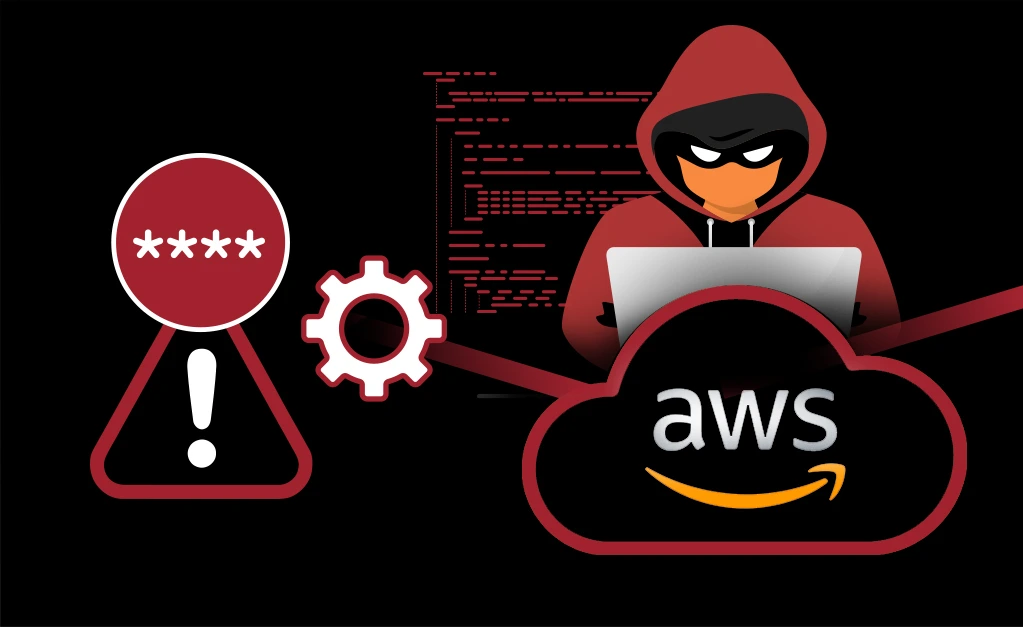
Cloud security incidents are often explained as the result of sophisticated hacks or unknown vulnerabilities. In reality, many of the most damaging cloud incidents today don’t involve breaking anything at all. They involve using what already exists—legitimate access, trusted systems, and overlooked permissions.
A recently uncovered cryptocurrency mining campaign targeting Amazon Web Services (AWS) is a clear example. Attackers gained access using valid credentials and quickly spun up massive cloud resources to mine cryptocurrency. No vulnerabilities were exploited. No systems were “hacked” in the traditional sense.
What makes this incident important is not the crypto mining itself, but what it reveals about how cloud and SaaS environments are being managed—and where security blind spots still exist.
1. When Access Is Compromised, the Damage Is Immediate
The attackers behind this campaign didn’t need to force their way in. They already had access that looked legitimate. Once inside, they behaved like normal users—checking what they were allowed to do and acting accordingly.
This highlights a fundamental shift in cloud security. Stolen or misused credentials can be more dangerous than software flaws. If access exists, attackers will use it.
For security teams, this means focusing less on chasing theoretical threats and more on understanding who has access, how much access they have, and whether it still makes sense. CheckRed helps teams surface these risky access paths before they become entry points for abuse.
2. Attackers Move Faster Than Most Teams Expect
One of the most alarming aspects of this campaign was speed. In many cases, crypto mining workloads were running within minutes of the attackers gaining access.
That speed matters. It means traditional response timelines—hours or even days—are no longer acceptable. By the time a cost alert or anomaly report appears, the damage is already done.
Cloud security today requires early warning signals, not post-incident explanations. Continuous visibility into exposure and access behavior is critical if teams want to act before impact escalates.
3. Cloud Abuse Is a Security Risk, Not Just a Billing Issue
Crypto mining attacks are often dismissed as cost problems. But framing them that way misses the bigger picture. In this campaign, attackers aggressively consumed cloud resources, exhausted service limits, and disrupted normal operations. This kind of abuse can affect application performance, availability, and even incident response itself.
More importantly, cloud resource misuse often signals deeper security gaps. If attackers can run large-scale workloads undetected, they may also be testing other ways to exploit the environment. CheckRed helps organizations understand where cloud environments are overexposed—so cost spikes don’t become the first sign of a security incident.
4. Small Configuration Choices Can Slow Down Recovery
The attackers didn’t just deploy resources and leave. They made subtle changes designed to make cleanup harder. By adjusting certain settings, they made it more difficult for teams to shut down malicious workloads quickly. These are not flashy techniques, but they are effective. They buy attackers more time and increase the effort required to regain control.
This reinforces an important lesson: security isn’t only about preventing access—it’s also about preserving your ability to respond. Teams need visibility into configuration changes that quietly weaken control, not just obvious threats.
5. Trusted Cloud Services Can Be Misused
Another overlooked aspect of the campaign was how attackers used standard cloud services for unintended purposes. Once inside, they created new resources that could support future abuse, including services that could be used for email or automation.
This matters because cloud platforms are powerful by design. When access is misused, those same capabilities can quickly turn into tools for further attacks.
Without a clear view of what services exist, who created them, and why they’re exposed, misuse can blend into normal operations. CheckRed helps teams identify these exposure risks early, before they become persistent problems.
6. Incidents Are Easier to Spot When Signals Are Connected
This campaign wasn’t detected by a single alert. It became visible only when multiple warning signs were considered together—unusual access behavior, unexpected resource usage, and rapid environment changes.
Many organizations still rely on fragmented security signals spread across different tools and teams. That fragmentation creates delays and blind spots. Effective cloud security depends on context. It’s not just about seeing events—it’s about understanding whether they make sense. Platforms like CheckRed help security teams connect exposure, access, and risk into a clearer picture that supports faster decisions.
7. Prevention Depends on Knowing What You’re Exposing
The guidance following incidents like this is often familiar: reduce access, enable stronger authentication, monitor activity, review permissions. All of that is correct. But it only works if teams actually know where their exposure lies.
Cloud and SaaS environments change constantly. New users, new integrations, new services, and new permissions appear every week. Without continuous visibility, risk accumulates quietly.
CheckRed addresses this challenge by helping organizations see where cloud and SaaS exposure exists, which risks matter most, and what should be addressed first—before attackers take advantage.
Closing Thoughts: Cloud Security Is About Reducing Opportunity
The AWS crypto mining campaign reinforces a simple but uncomfortable truth: most cloud incidents succeed because opportunity exists. Excessive access, unclear ownership, and limited visibility create openings that attackers are quick to exploit.
As cloud environments grow more complex, security leaders need to shift their focus from isolated alerts to exposure management. The goal is not just to respond faster—but to leave attackers with fewer paths to begin with.
CheckRed helps organizations do exactly that—by continuously identifying risky cloud and SaaS exposure, giving security teams the insight they need to act early, reduce blast radius, and stay ahead of modern threats.