Attackers Don’t Need Zero-Days When Cloud Misconfigurations Are Everywhere
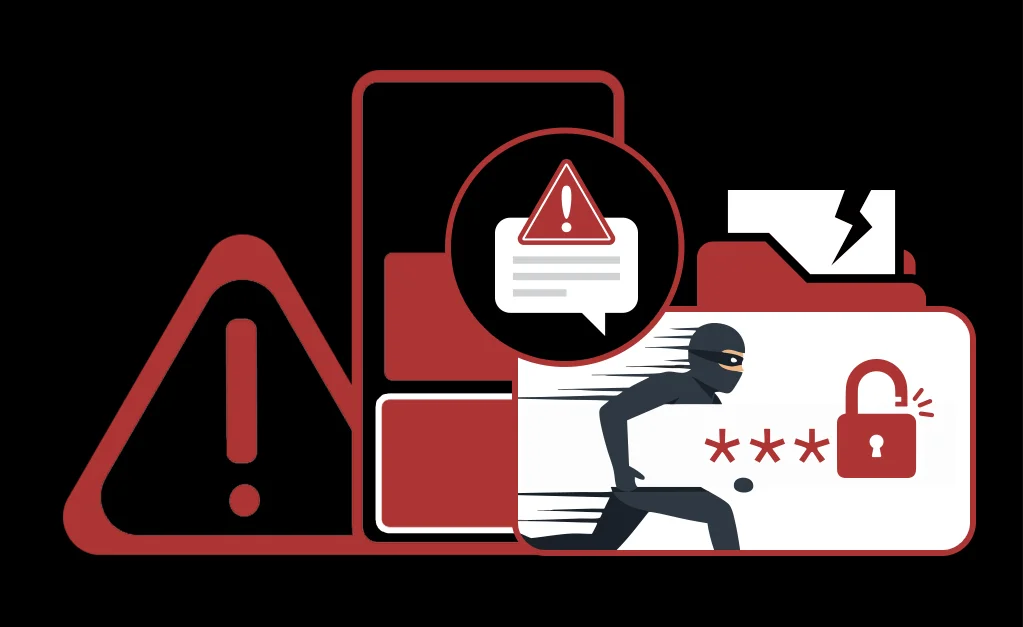
The most concerning cloud attack stories today are not about groundbreaking exploits. They are about scale. A threat group known as TeamPCP has quietly compromised tens of thousands of servers worldwide—not through sophisticated malware or unknown vulnerabilities, but by systematically hunting for misconfigured cloud services and exposed management interfaces.
Once they find one vulnerable system, the attack doesn’t stop there. The compromised server begins scanning the internet for the next target, deploying scripts that infect additional systems. Each newly compromised machine then joins the search.
In effect, every infected server becomes another attacker.
This campaign reveals an uncomfortable truth about modern cloud security: attackers no longer need zero-day vulnerabilities when exposed services and configuration gaps are widespread across the internet.
A Worm-Like Cloud Attack Built for Scale
According to security researchers, TeamPCP’s campaign began in late December and has already compromised over 60,000 servers globally. The operation behaves much like a worm. Instead of relying on a central attack infrastructure, each infected system begins scanning for new victims on its own.
The group’s scripts search across IP ranges for commonly exposed cloud services and developer tools. These include container management interfaces, orchestration systems, and database services that organizations often deploy for internal use.
When a vulnerable system is identified, automated scripts are executed to install malicious components, maintain persistence, and connect the machine to the broader attack network. From that point forward, the compromised server is no longer just a victim—it becomes part of the attacker’s infrastructure.
Targeting the Control Layer of the Cloud
What makes this campaign particularly effective is the type of services it targets. Rather than attacking end-user systems, TeamPCP focuses on cloud control interfaces—the tools used to manage containers, clusters, and applications.
Examples include:
- exposed Docker APIs
- Kubernetes management interfaces
- Redis servers
- development dashboards and debugging tools
These systems are powerful by design. They allow administrators and developers to deploy applications, manage workloads, and control entire environments. If attackers gain access to them, they often gain administrative control over large portions of infrastructure.
In several observed attacks, the group used scripts designed specifically for Kubernetes environments. By harvesting credentials and using administrative APIs, attackers were able to deploy malicious containers across all accessible pods inside a cluster.
Turning Infrastructure Into Attack Engines
Once inside a system, TeamPCP deploys scripts that install additional tools designed to maximize the value of the compromised infrastructure. These payloads enable multiple malicious activities, including:
- cryptomining using stolen compute resources
- proxy services for other cybercriminals
- scanning tools that search for additional vulnerable systems
- tunneling software that maintains remote access
The approach effectively converts each compromised server into a multi-purpose criminal asset. A single machine can simultaneously mine cryptocurrency, relay traffic, search for new targets, and host attacker infrastructure. The more systems the group compromises, the more powerful its network becomes.
A Campaign Built on Known Weaknesses
Perhaps the most alarming aspect of this campaign is how ordinary the techniques are. The vulnerabilities and misconfigurations exploited by TeamPCP are not new. Many involve widely documented issues such as:
- exposed container APIs
- insecure orchestration interfaces
- leaked cloud credentials in environment files
- applications vulnerable to known remote command execution flaws
These are weaknesses that security teams have discussed for years. Yet they continue to appear in production environments, often because cloud services are deployed quickly and security controls are not applied consistently. For attackers, this creates a vast attack surface of systems that can be discovered with nothing more than automated scanning.
When Speed Beats Sophistication
Traditional cyberattacks often relied on stealth and patience. Attackers would spend weeks moving quietly through networks to avoid detection. Cloud-based attacks are increasingly different.
Threat actors now prioritize speed and scale. Automated tools scan the internet continuously, identifying exposed services within minutes of deployment. Exploitation scripts can deploy payloads almost immediately after a vulnerable system is discovered.
This means that a cloud service exposed for only a short time can still become part of a large-scale attack network. The challenge for organizations is that attackers are operating at scale, while many security processes remain manual or reactive.
The Hidden Cost of Cloud Exposure
The immediate impact of campaigns like TeamPCP often appears to be infrastructure abuse—cryptomining or resource theft. But the consequences can go much further.
Researchers observed cases where attackers also stole sensitive data, including identity records and corporate information. In one incident, a recruitment platform reportedly had millions of records exposed, including personal and professional details of job applicants.
Even when stolen information is not immediately valuable on underground markets, it can still fuel phishing, impersonation, and account takeover attacks.
This demonstrates that cloud infrastructure compromises are rarely isolated incidents. They often become the starting point for broader security risks.
The Real Risk: Misconfigurations at Scale
Campaigns like TeamPCP succeed because cloud environments are complex and constantly changing. New containers are deployed, APIs are exposed for testing, credentials are stored in configuration files, and services are spun up across multiple cloud providers. In fast-moving development environments, it is easy for security boundaries to weaken.
The result is an ecosystem where exposed services, leaked credentials, and overly permissive configurations remain visible long enough for attackers to discover them. Once found, automated tools ensure they are exploited quickly.
Conclusion
The TeamPCP campaign offers a clear warning about the future of cloud attacks. Threat actors are no longer relying solely on advanced exploits or rare vulnerabilities. Instead, they are industrializing the discovery and exploitation of common configuration weaknesses across cloud infrastructure.
By combining automated scanning with widely known attack techniques, attackers can compromise thousands of systems and transform them into distributed attack networks. Preventing unauthorized access in this environment requires continuous visibility into cloud configurations and exposed services.
CheckRed identifies misconfigured cloud and SaaS resources, exposed interfaces, and risky access points in real time, and before attackers find them. Detecting these weaknesses early is critical to stopping campaigns that thrive on automation and scale.