8 Dangerous Truths About Excessive Privileges in Cloud and SaaS Platforms
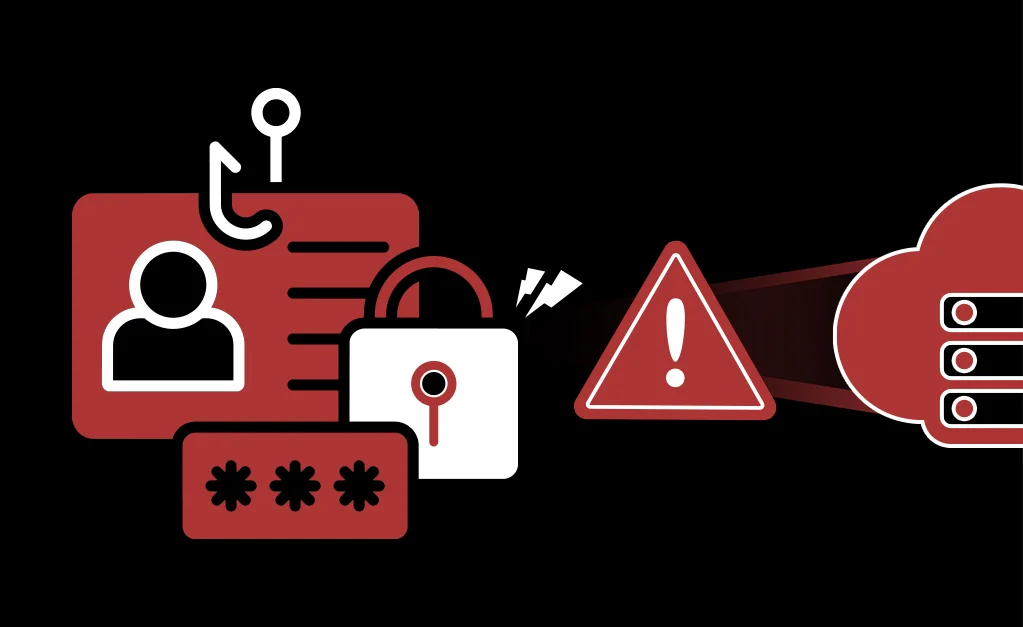
How many people in your organization have user access and privileges they don’t truly need? That question was central to a recent incident in France. Authorities there disclosed unauthorized access to the national bank account registry FICOBA after a threat actor used stolen credentials belonging to an official. The attacker gained entry to a database containing records tied to bank accounts across the country. Approximately 1.2 million accounts were exposed, including IBANs, addresses, and personal identifiers.
There was no infrastructure breached, and no complex vulnerability exploited. However, the attacker could simply log in with valid credentials. The event highlights a common challenge in cloud and SaaS security: excessive privilege. When one account has broad visibility into sensitive systems, the compromise of that account can expose massive datasets.
Below are the key reasons why excessive privilege has become one of the most dangerous weaknesses in modern digital environments.
1. A Single Credential Can Expose Massive Data Sets
Cloud and SaaS platforms concentrate enormous volumes of information within centralized systems. Databases, customer records, financial data, and operational insights often reside within the same environment. When a highly privileged account is compromised, attackers can access large datasets almost immediately.
Instead of navigating multiple systems, they may retrieve thousands or even millions of records from a single platform. The result is a massive blast radius created by a single compromised identity. This concentration of data makes access control more critical than ever.
2. Privileged Accounts Are Prime Targets
Attackers rarely attempt random intrusions. They target accounts that are most likely to provide broad access. These typically include:
- IT administrators
- finance and compliance teams
- database operators
- senior executives
Such accounts often have visibility into multiple systems or large volumes of sensitive data. Once compromised, they offer attackers immediate access without requiring additional privilege escalation. In many cases, the attacker’s biggest advantage is simply inheriting the access already assigned to the user.
3. Traditional Access Models Still Follow Hierarchy
Many organizations continue to assign system access based on hierarchy. Senior employees often receive broader permissions under the assumption that they require greater visibility across the organization. While this approach may have made sense in smaller or less connected systems, it creates serious exposure in cloud environments.
Modern security practices emphasize least-privilege access, where permissions are granted strictly according to operational needs. When access is tied to status rather than necessity, organizations unintentionally increase the risk of large-scale data exposure.
4. Cloud and SaaS Platforms Amplify Privilege Risk
The architecture of cloud services changes how quickly attackers can retrieve data once access is obtained. Unlike many traditional systems, cloud platforms often allow users to:
- query large datasets through APIs
- export data rapidly
- access systems remotely from multiple locations
A compromised account with high privileges can therefore perform extensive data retrieval within minutes. In environments where large datasets are centrally stored, the difference between limited access and broad privilege can determine whether a breach affects dozens of records or millions.
5. Unauthorized Access Often Looks Normal
Credential-based attacks are difficult to detect because they frequently resemble legitimate activity. If attackers log in using valid usernames and passwords, traditional security systems may treat the activity as routine. Unless additional monitoring is in place, the login may not trigger any immediate alarms.
This creates a dangerous scenario where attackers can quietly explore systems, query databases, and extract information without raising suspicion. Detecting these threats requires analyzing behavioral anomalies, such as unusual login locations or abnormal data access patterns.
6. Data Exposure Can Lead to Secondary Attacks
Even when attackers cannot move money or manipulate accounts, access to sensitive information still creates substantial risk. Data such as IBANs, addresses, and tax identifiers can be used in several ways:
- phishing campaigns targeting account holders
- identity fraud and impersonation
- social engineering attempts against financial institutions
In other words, the initial breach may simply provide the raw material for future attacks. Exposure of financial or identity information often leads to waves of scams and fraudulent attempts later.
7. Privilege Creep Expands Access Over Time
Access levels rarely remain static in growing organizations. Employees move between roles, join new teams, or gain temporary permissions to complete specific tasks. Unfortunately, those permissions are not always removed afterward.
Over time, accounts may accumulate access across multiple applications, databases, and SaaS platforms. This gradual expansion of privileges—often called privilege creep—creates accounts that have far more access than their roles actually require. These accounts become especially valuable targets for attackers.
8. Many Organizations Lack Visibility Into Access
One of the biggest challenges in managing privilege risk is simply understanding who has access to what. Organizations now operate across dozens of SaaS applications, cloud storage services, and internal systems. Each platform may manage permissions differently.
Without centralized visibility, security teams often struggle to answer questions such as:
- Which accounts can access sensitive datasets?
- Which users have administrative privileges?
- Which identities are accessing large volumes of data?
When these questions cannot be answered easily, excessive privilege often goes unnoticed until an incident occurs.
Identity Monitoring Is Now a Core Security Requirement
As cloud adoption grows, identity has effectively become the new security perimeter. Protecting systems now requires more than securing infrastructure or networks. Organizations must continuously monitor how identities interact with data and systems.
Key security practices include:
- enforcing least-privilege access policies
- reviewing permissions regularly
- monitoring unusual identity behavior
- detecting abnormal data access patterns
- identifying overexposed cloud resources early
These measures help reduce the risk that a single compromised account can lead to widespread exposure.
Conclusion
The shift to cloud and SaaS has transformed how data is stored and accessed. It has also changed how attackers operate. Increasingly, breaches begin with compromised credentials rather than technical exploits. When those credentials belong to users with broad privileges, the consequences can be severe.
A single account may provide access to vast datasets, allowing attackers to retrieve sensitive information without triggering obvious alarms. This is why organizations must rethink how access is granted and monitored across cloud environments.
CheckRed helps security teams detect misconfigurations, overexposed resources, and risky access patterns that could allow unauthorized access. By identifying excessive privilege early, organizations can reduce the likelihood that a single compromised identity turns into a large-scale data exposure event. Because in modern cloud environments, privilege itself can become a vulnerability.